For people with autism and learning disabilities, bereavement can be an especially complex and overwhelming experience. Yet too often, the support available is not adapted to meet their needs at a time when understanding, consistency, and compassion matter most. During such a vulnerable stage of life, getting bereavement support right is not just important – it is essential.
The loss of a loved one is difficult for anyone, but for those with additional needs, it poses additional barriers such as differences in capacity and levels of understanding and a change to routines.
This Dying Matters Week is all about promoting open, accessible conversations, encourages reasonable adjustments in communication, and reinforces the right of people with learning disabilities to be involved in decisions about their own care and to receive appropriate support when someone they know dies.
Guiding the people we support through grief and loss
We are committed to ensuring the people we support receive the advice and support they need when it comes to losing a loved one.
It can be especially hard to explain to a person with autism or a learning disability that a friend or family member has passed away, everyone’s level of understanding can be different. Our team are trained and supported to take a needs-led approach when supporting someone to understand and process a death, recognising that each person will experience and respond to bereavement differently. This means tailoring communication, timing, and level of detail to each individual. Alongside this, our Specialist Support Team are always available to provide further guidance and support, ensuring that staff feel confident in adapting their approach to meet each person in a way that is sensitive, respectful, and right for them.
We have recently updated our Death & Dying Policy at Bright Futures, alongside clear guidance on providing bereavement support. Having a clear, compassionate framework ensures that deaths are managed with dignity and respect and that the people we support are supported to understand, express, and cope with bereavement in a way that is appropriate to their individual needs. This approach helps reduce distress, promotes emotional wellbeing, and ensures that no one is excluded from the grieving process due to communication difficulties or assumptions about their capacity to understand loss.
Accessing external support
We believe it is essential that the people we support have access to the same resources and advice that everyone else has should it be needed, and there have been times when a person we support has lost a loved one and external support services have been sought to provide additional bereavement support.
Recently, a person supported in one of adult homes unfortunately lost their mum. During this difficult time, the team wanted to make sure they were best equipped to support the individual in a way suited to their needs.
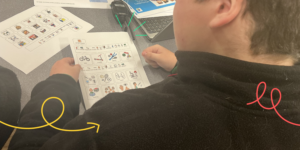
The team took part in an external training session that introduced a range of tools and resources to support the individual.
Beth McHale, Registered Manager of the home, said: “The session was really helpful. The woman who led it was fantastic. We came away with lots of ideas on how to support them. There was a really good range of approaches and they all feel manageable and realistic for the team. Everything was tailored really well to the person we support and their experiences, which made it so relevant. “
Beth was determined to find the right support, and we’re really pleased to hear how valuable the session was.
Dying Matters Week is an important reminder to us all that people with autism and learning disabilities will experience grief and loss differently, and it is our responsibility challenge the stigma, silence, and misunderstanding that too often surrounds death, dying, and bereavement for this group, advocating for the right support to be in place should people need it.