In Autism support, the term ‘stability’ is often misunderstood.
It is well-known that for many of those with autism, routine, predictability and consistency are essential to living a good-quality life. Sometimes in care, this can be seen as simply maintaining a consistent environment or avoiding disruptions.
At Bright Futures, we know that stability goes far deeper than that. True stability is emotional, environmental and sensory. It is the foundation to ensuring the people we support feel safe, but are also able to grow, develop and thrive.
As specialists in autism support, we design stability intentionally, because when it is embedded well, it becomes a powerful catalyst for progress and achieving strong outcomes.
Consistent Support Teams
Relationships are central to the wellbeing of anyone. For many people with autism, familiarity of strong and meaningful relationships with teams who truly understand them is not just important, they rely on the trust established through these relationships to feel secure enough to engage, communicate and develop.
Consistency in support teams allows trust to be built over time. When people know who is supporting them, and that those people truly understand them, anxiety and related behaviours of concern are reduced and confidence grows.
At Bright Futures, we prioritise carefully matched support teams, ensuring they have a deep understanding of the people we support’s communication style, triggers, interests and strengths. This allows relationships to strengthen and progress to begin.
Routines
Routines provide a predictable framework that help make daily life more manageable. For many people with autism, routines reduce uncertainty and the anxiety around this, creating a sense of control.
Well-structured routines help people to anticipate what is coming next, lowering stress and increasing engagement.
Creating predictable routines isn’t about limiting experiences, it’s about preparing the people we support for them. When autistic individuals have an understanding of what will happen, when it will happen, and how they’ll be supported, they are far more likely to participate positively.
At Bright Futures, routines are individualised, but not rigid, tailored entirely around the people we support and their unique needs and interests. The routines we create are flexible enough to adapt as needs change, but consistent enough that the people we support can feel safe. They are designed to support emotional regulation and daily success to achieving their own outcomes.
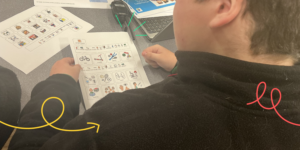
When routines need to change, our teams use a range of resources to prepare the people we support and guide them through the transition, tailored to their own communication preferences.
Specialist Environments
The environment itself plays a crucial role in stability. Settings can often unintentionally overwhelm many young people with autism, increasing distress and dysregulation.
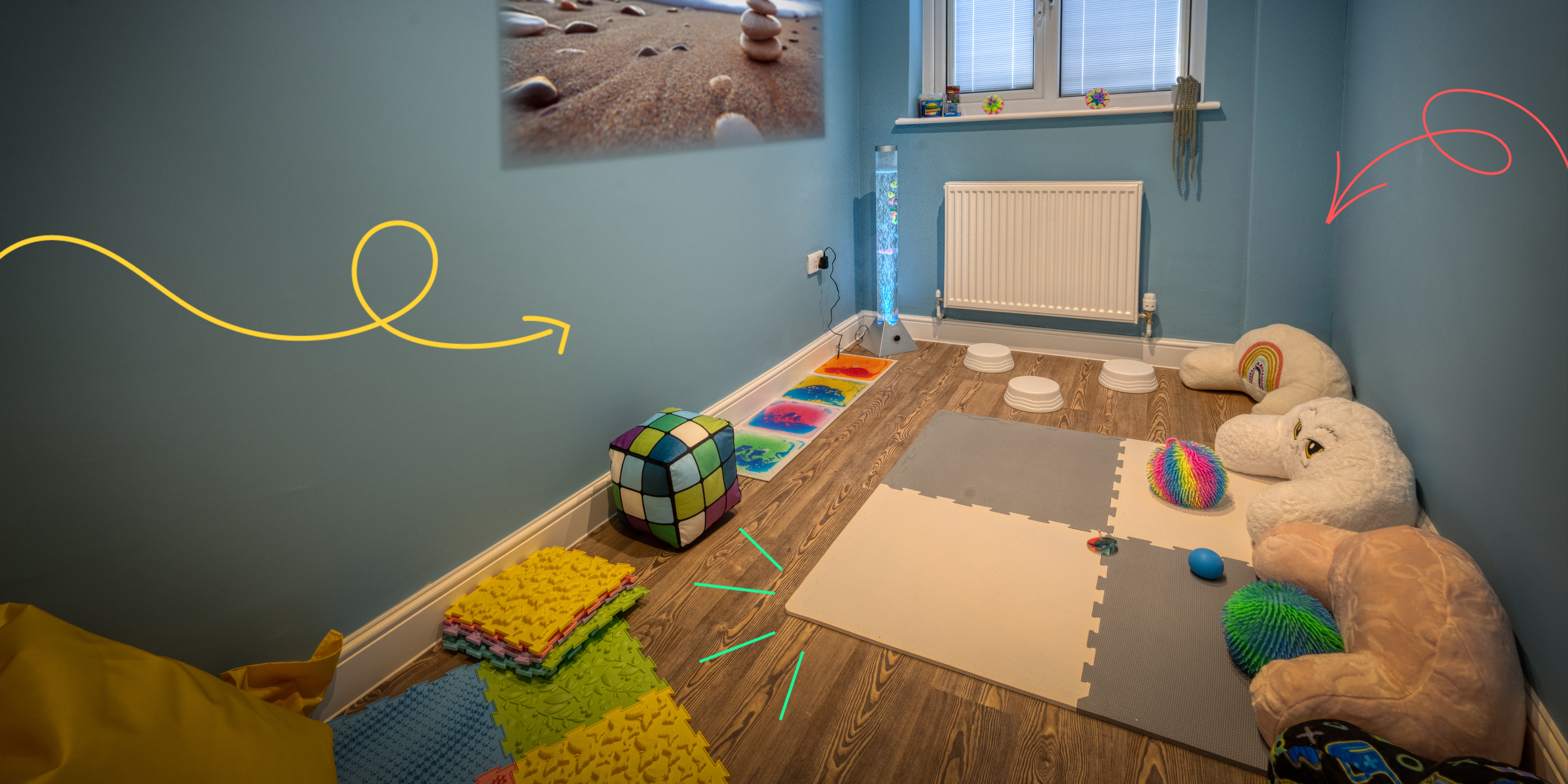
Autistic individuals may require environments designed for sensory and emotional regulation. It is essential that they have space to feel safe, comfortable and relaxed and that suits their needs.
By reducing sensory overload and providing calm, responsive spaces, environments can help young people with autism to feel safe in their surroundings, regulate their emotions more effectively and engage more confidently with the teams and people around them.
Our homes are designed with autism in mind, not adapted as an afterthought if issues arise. They are intentionally created to meet complex needs, with spaces where they can socialise and be involved in whole-home activities, whilst also having their own private spaces for times they need a quiet moment to themselves.
Stability can still mean Growth
Stability doesn’t simply mean ‘staying still’. For people with autism, stability is a key method through which growth and development happens.
Consistency and predictability do not limit opportunity or slow progress, in fact it is the opposite. Stability is not the absence of change, it’s what makes meaningful change possible.
When trust is established and anxiety is reduced, many people with autism are able to develop their independence, build communication and social skills as well as explore new experiences at a pace that is right for them.
Stable and Safe Environments at Bright Futures
At Bright Futures, sensory processing differences are a key consideration in everything we do. Our core purpose is to provide homes where the people we support can use the stability we help to create to truly thrive. Our specialist teams and environments are there to use stability as a catalyst for growth and progression.
We create stability through a happy and engaged workforce, carefully designed environments and a designated Specialist Support Team who ensure support is planned around each person.
We understand that growth begins with regulation. Stability provides a secure base and reliable foundation from which people can take gradual and supported steps forward. Our Outcomes Framework provides clear pathways for the people we support to utilise their environment to work towards their goals.
Here, stability is not passive, it’s purposeful. We are autism specialists, and our approach is responsive and dynamic. We introduce change thoughtfully, at the right pace and with the right support in place.
Progress doesn’t always happen quickly and obviously. It is rarely linear and looks different for every individual, but creating stability in the lives of the people we support ensures it is meaningful and lasting.
Stability is not a barrier to growth; it is the pathway to it.
Want to find out more about our environments and how residential support can help transform the lives of young people with autism? Get in touch with our referrals team at referrals@brightfuturescare.co.uk